Choosing a Veterinarian Prairieville Animal Hospital for Your Pet
Finding the right veterinarian for your animal companion is less about brand name and more about the daily realities of care, communication, and continuity. Prairieville is home to a handful of clinics, but a visit to Prairieville Animal Hospital can reveal a philosophy of care that aligns with life in a busy household, with pets that range from sprightly puppies to senior cats. This piece draws on practical experience from clinics that prioritize accessible hours, steady client communication, and the subtle art of balancing medical precision with compassionate bedside manner. The goal is a relationship you can rely on, through routine checkups, sudden illnesses, and the gradual aging process that every pet experiences.
A healthy bond with a veterinarian begins with clarity. You want someone who can translate medical jargon into actionable, understandable guidance. You also want a team that treats your pet as a member of the family rather than a one-off patient in a crowded schedule. When you walk into Prairieville Animal Hospital, the first impression often comes from how the space feels and how the staff greet you. Do they remember your pet’s name? Do they ask about changes in behavior, appetite, or energy levels since the last visit? These small signals can foreshadow the level of ongoing attention you’ll receive.
Vet care is a two-way street. The animal you love deserves a clinician who can diagnose with confidence, explain options, and partner in decision-making. You also bring intimate knowledge of your pet’s quirks and routines. The best practices emerge when there is a steady conversation spanning well visits, preventive care, and urgent care episodes. The experience rests on the combination of medical skill and the ability to adapt recommendations to your life and your pet’s temperament.
Scope of practice matters, too. A veterinary team that offers routine preventive care alongside diagnostics, surgery, dentistry, and emergency triage gives you a single point of reference. When an illness or injury arises, you want a clinic that can coordinate care with specialists if needed, without forcing you to chase down referrals or travel long distances. In Prairieville, local familiarity can be a real advantage. A veterinarian who knows the community, the local dog parks, and the typical seasonal concerns for pets in the area can tailor reminders about parasites, vaccines, and common hazards with a practical, localized lens.
The decision to select a veterinarian often boils down to trust, reliability, and a sense of partnership. When you have a strong relationship, you are more likely to bring your pet in for checkups, stay on vaccination schedules, and discuss concerns early. It’s about knowing you can call for advice after hours, knowing who will perform the procedures, and feeling confident about how the clinic handles pain management and comfort during visits. These are not lofty abstractions. They translate into fewer urgent visits because preventive care is consistent, timely, and tailored.
In the end, what you want is straightforward: high-quality, transparent care for your pet, delivered by people who genuinely care about animals and their humans. Prairieville Animal Hospital can offer that kind of relationship when you observe a few practical signs in day-to-day operations, staff communication, and the clarity of medical explanations. Below is a practical framework to help you evaluate a veterinarian and a clinic, built from hands-on experience in the field.
A practical framework for evaluating a Prairieville veterinarian
Relational clarity first. From the moment you call or walk in, you should sense a staff culture that prioritizes listening. A good veterinary team will ask about recent behavioral changes, appetite shifts, and energy levels. They will not rush you through questions and will check in on comfort levels during examinations. The clinician should describe what they are observing and how it affects decisions, with room for questions.
Medical capability and accessibility. The clinic must be equipped to handle routine preventive care and common emergencies. In addition, the ability to perform dentistry, radiography, laboratory work, and minor surgeries on-site contributes heavily to a smooth experience. When a clinic relies on third-party facilities for essential diagnostics or treatments, you should understand the implications for timing and continuity of care. You want predictable response times and a plan for urgent situations, including after-hours guidance if available.
Communication that travels with you. A strong clinic will provide clear preventive care plans, vaccination schedules, and reminders that fit your calendar. They should explain what a test can tell you, its limitations, and how results guide the next steps. The surest sign of durable care is a system that helps you keep track of vaccines, parasite prevention, dental health, and chronic conditions across visits.
Comfort and pain management. For many pets, stress can make a visit feel like a medical ordeal. The best clinics craft a better experience through gentle handling, quiet rooms, pheromone aids, pre-visit questionnaires that help staff prepare, and, when appropriate, options for mild sedation to minimize distress. Pain management should be explicit in the plan, not an afterthought.
Practice philosophy. Every vet clinic has its own take on how preventive care should be delivered. Some emphasize evidence-based protocols with regular protocol reviews; others harness integrative approaches or emphasize behavior modification alongside medical treatment. You will want to know the philosophy that guides decisions about vaccines, antibiotics, and elective procedures. The fit matters because it affects day-to-day conversations about risk, benefit, and timing.
Cost transparency. There is no free lunch in veterinary care, but you should have a realistic sense of what to expect. A clinic that shares typical price ranges for routine visits, vaccines, and common procedures helps you prepare. They should also present options when budget constraints arise, including discussing alternatives, timing, and the implications of delayed care. Transparent communication about what is included in fees and what is not reduces stress at checkout.
A few words about choosing between clinics
- Location and convenience matter, especially for households with multiple pets or packed schedules.
- A slightly longer drive can be worth it if the clinic consistently delivers clearer explanations and faster turnaround on lab work.
- Emergency capacity changes how you plan weekends and after-hours care; confirm what the clinic can and cannot handle outside normal hours.
- The personalities of the staff shape day-to-day life in the exam room. You want a team that treats you and your pet with respect and patience, even when a case is challenging.
- The presence of a written care plan for chronic conditions helps prevent drift between visits and creates a steady baseline for ongoing management.
Two targeted lists can help you focus your evaluation during a first visit or a virtual consultation. The following sections present a concise set of considerations and practical steps you can take to gauge whether Prairieville Animal Hospital or any neighboring clinic meets your needs.
Top questions to ask during your first visit or initial call
1) What is your approach to preventive care, and how do you tailor it to age, breed, and lifestyle? 2) How do you handle urgent or after-hours questions, and who should I contact in those times? 3) What is your policy on pain management during exams, procedures, and surgeries? 4) How do you communicate results and recommendations, and is there a dedicated client portal or follow-up system? 5) Can you outline a typical vaccination schedule and explain the rationale for each vaccine, including risks and benefits?
Red flags to watch for when evaluating a clinic
- A rushed exam without time for questions, or a clinician who seems unsure about the next step and offers vague assurances.
- A lack of on-site diagnostic capabilities or reliance on third-party labs with long turnaround times.
- Poor or inconsistent communication about treatment plans, costs, or expected outcomes.
- High turnover in veterinarians or staff, which can disrupt continuity of care.
- Limited options for pain management, behavior support, or preventive care outside a narrow menu of services.
What to look for in a clinic space
The atmosphere of the clinic can be as telling as the medical guidance you receive. Clean, organized spaces reflect a culture of safety and respect for animals. You should observe a few concrete cues: clean exam rooms with clear space for the pet to move, kennel and cage areas that are well-maintained, and a reception area where staff greet clients promptly. The waiting room should feel calm, with familiar scents or soothing music that help reduce stress for nervous animals. If you notice clutter, outdated equipment, or a sense that staff are overwhelmed, ask about plan adjustments. A good clinic will acknowledge constraints and describe how they manage them, whether through scheduling strategies, staffing, or process improvements.
The practical realities of preventive care in Prairieville
Preventive care is the backbone of long-term outcomes for most pets. Vaccinations, parasite prevention, dental care, and routine screenings form a shield against common threats. In prairie conditions, tick and flea exposure, heartworm risk, and intestinal parasites are considerations that clinics often tailor to the season and local ecology. A Prairieville Animal Hospital veterinarian who keeps you informed about these risks and who helps you implement a plan that aligns with your pet’s lifestyle earns trust. The best clinics don’t simply present a menu of services; they help you navigate trade-offs. For example, a puppy might benefit from a vaccination schedule that balances protection with practical milestones for training and socialization, while an older dog with underlying conditions may require a more conservative approach to certain vaccines, paired with more frequent rechecks.
When an urgent situation arises, the value of a clinic that can mobilize quickly becomes apparent. You want a clinic where the front desk recognizes a critical call and an on-duty clinician can triage the case with a clear plan. The ability to perform quick diagnostics, administer analgesia, and decide whether hospitalization is necessary on the same day can make a life-and-death difference. Practitioners who walk you through the steps and explain the rationale for each decision reduce the stress that often accompanies emergencies. Even in routine emergencies, the presence of a stable, well-coordinated team makes a marked difference in outcomes and in your own emotional experience as a caregiver.
The art and science of ongoing care
A clinic that integrates medical science with practical, humane care tends to keep pets healthier over time. Routine blood work can uncover issues before symptoms appear, and dental care has a measurable impact on overall health. You may notice the value in a clinic that pairs preventive work with education about home care. The best teams provide guidance on nutrition, exercise, grooming, and behavior, recognizing how these factors interact with medical status. A Prairieville Animal Hospital veterinarian who can discuss a case in plain terms, while still respecting medical nuance, becomes a trusted partner rather than a distant expert. This kind of rapport translates into fewer moments of uncertainty for you and less stress for your pet during visits.
A day in the life at a well-run clinic
On a typical day, a well-run clinic blends routine wellness visits with the occasional urgent case. A nurse or technician might begin with a pre-visit assessment, noting weight, temperature, heart rate, and any changes in appetite. The veterinarian then reviews the chart, asking about behavior shifts and home environment. In the exam room, the clinician demonstrates careful, deliberate handling, employs gentle restraint when needed, and sets expectations for what the examination will involve. After the visit, you receive a concise summary of findings, an actionable care plan, and a transparent breakdown of costs. If dental cleaning or minor surgery is scheduled, you learn about anesthesia, recovery, and the post-procedure instructions. The whole process should feel cohesive rather than segmented into disparate tasks.
The edge cases that shape long-term decisions
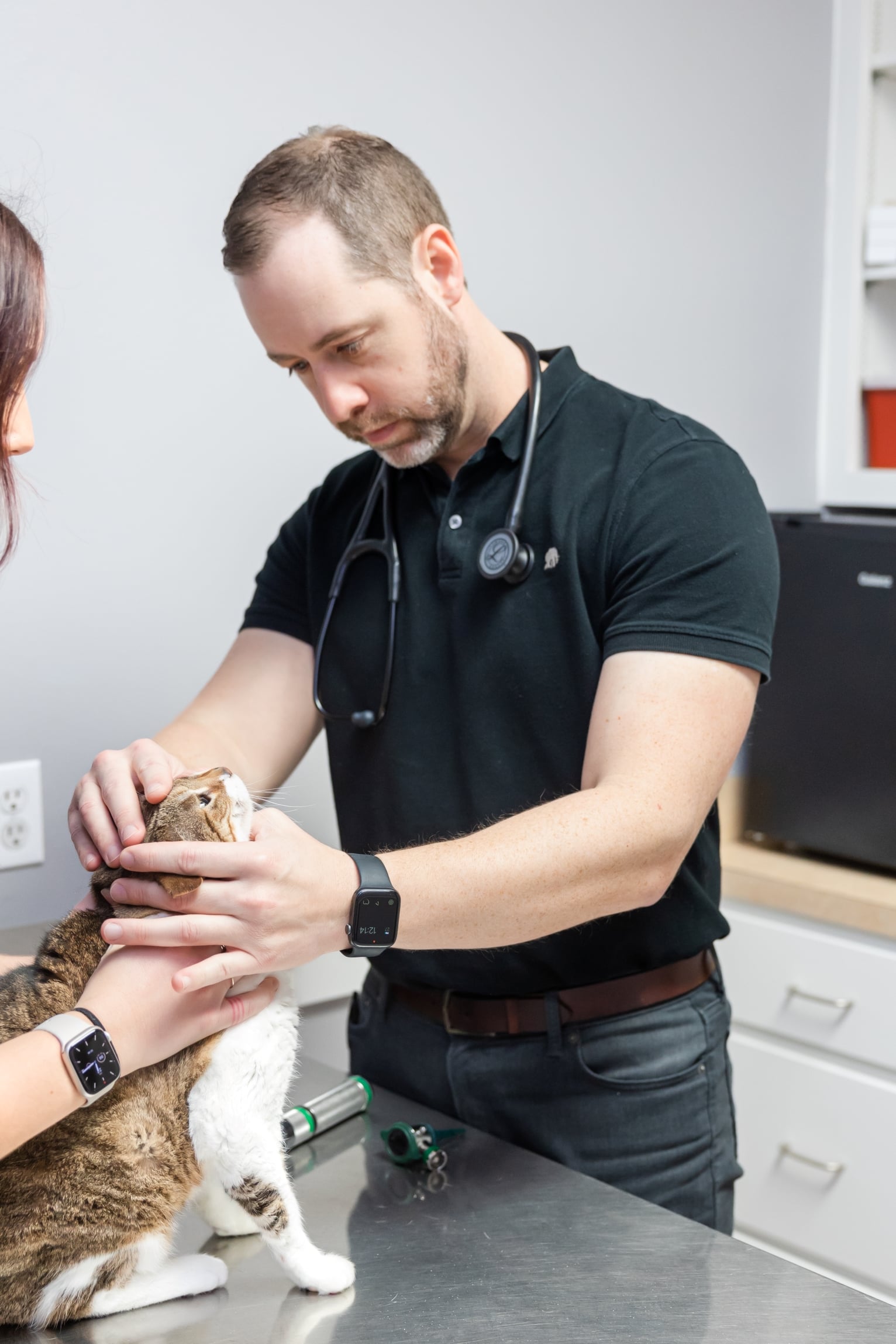
No clinic operates in a vacuum. Weather, traffic, holidays, and supply chains influence scheduling, pricing, and availability of certain procedures. When you encounter a pet with multiple health issues, the complexity grows. The most capable clinics coordinate care across specialists if needed, and they do not sugarcoat the reality of potential limitations. For example, if a particular lab test or imaging modality is outside the clinic’s scope, they should refer you to a qualified partner with clear timelines. Edge cases also reveal a clinic’s adaptability. If a beloved clinic during a storm or power outage can still provide emergency guidance, that reliability becomes a crucial reassurance for families who depend on them.
Practical steps for prospective clients
- Visit with a plan. Bring a current medical history, including vaccines and prior diagnostic results if available. Prepare a short list of questions about preventive care and the practice philosophy.
- Observe the dynamics. Watch how the staff greet patients, how they manage a busy day, and how the clinician communicates during the exam. Look for patience, precision, and a respect for both animal and owner.
- Test drive a routine visit. Schedule a standard wellness check to see how the clinic handles routine care, including the time spent with you and your pet, the clarity of the written plan, and the follow-up process.
- Clarify after-hours expectations. If after-hours care is essential for you, ask about the exact arrangements, including whether they provide triage guidance, on-call veterinarians, or partnerships with emergency clinics.
- Consider the long view. Think about whether the clinic’s size, staff stability, and care philosophy align with your expectations for ongoing, stable care across your pet’s life stages.
A note on pet ownership realities
Pet care is not a sterile, idealized exercise. It lives in the daily frictions of budget, work schedules, and the unpredictable nature of illness. A thoughtful clinic recognizes these realities and offers flexible options without letting medical standards slip. For some households, that translates into extended boarding kennels prairieville la payment plans or a menu of affordable preventive care bundles. For others, it means a proactive approach to chronic conditions that keeps daily management manageable and predictable. The best clinics meet families where they are while upholding a standard of care that never feels compromised.
Pain, comfort, and understanding your animal
Pain is a language pets use without words. A skilled veterinarian reads signals others may miss—the way a dog tucks its tail during a examination, the subtle hesitation in a cat’s stance, the minute changes in a rabbit’s feeding rhythm. Your Prairieville Animal Hospital veterinarian should acknowledge these cues and translate them into a practical plan. This means not only addressing the medical issue at hand but also incorporating strategies to minimize distress during examinations, procedures, and recovery. The humane touch matters as much as the technical skill, and a team that treats both with equal attention earns enduring trust.
The human factor in veterinary care
Beyond medical proficiency, clinics succeed when they cultivate genuine connection with clients. People bring experiences, fears, and hopes to the exam room. A clinician who speaks with respect, who explains choices without condescension, and who invites questions—this is the kind of professional who can sustain you through medical decisions that are often heavy. The relationship becomes a stabilizing thread through a pet’s life, not a one-time contact. A Prairieville Animal Hospital veterinarian who understands this dynamic approaches care as a collaborative enterprise, not a one-sided directive.
A blended approach to care in the Prairieville community

Communities shape the way veterinary care unfolds. Prairieville residents bring pets that reflect a mix of urban accessibility and rural charm, with needs that vary seasonally. A clinic that adapts to this blend—offering convenient appointment times, accommodating school calendars for family visits, and providing guidance that accounts for outdoor activity and travel—will feel like a natural partner. The right veterinarian will notice patterns in a neighborhood: a spike in flea prevention during warm, humid months, or a higher incidence of dental issues in senior dogs who are less inclined to chew and groom themselves. They use these observations to tailor care so it remains practical and effective.
Final thoughts on choosing a veterinarian Prairieville Animal Hospital will feel right for your pet
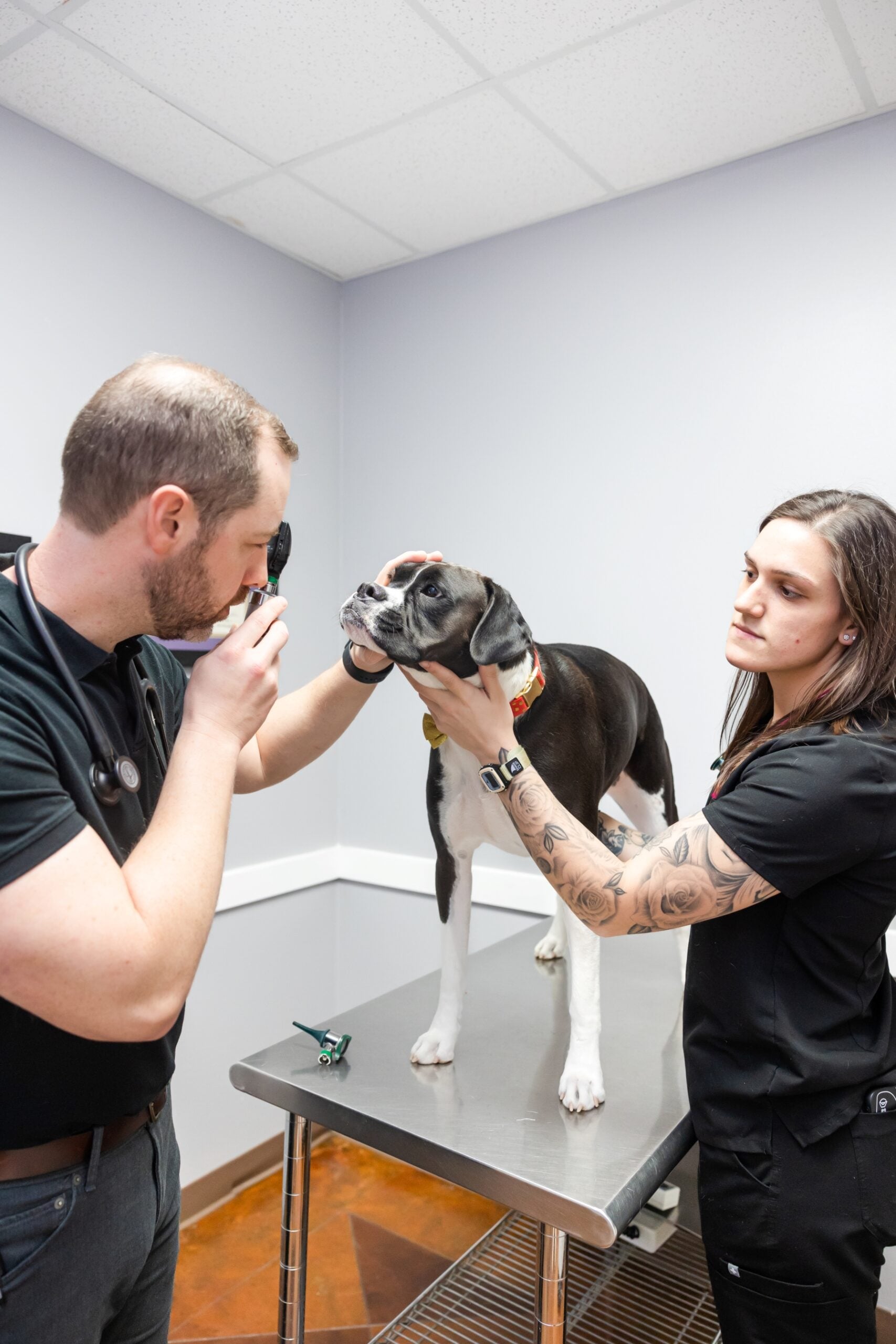
Choosing the right veterinary home in Prairieville is less about chasing the latest trend and more about cultivating a reliable, communicative, and compassionate partnership. The right clinic will balance scientific rigor with practical empathy, offering a broad range of services under a clear care philosophy, and maintaining a steady, human-centered approach to every visit. When you find this balance, you reduce the daily anxieties that come with pet ownership. You gain a partner who can help you interpret what a test result means, what a vaccination schedule entails, and when a problem warrants a deeper dive.
The process of selection does not arrive fully formed in a single visit. It unfolds through repeated interactions, through the quality of the answers you receive, and through the consistency of the care plan over time. A Prairieville Animal Hospital veterinarian who earns your confidence is someone you can call with questions about behavior changes, dietary concerns, or subtle shifts in energy. They are the professional who will help you chart a course for wellness, adjusting as your pet grows older and your family’s routines evolve.
In the end, the best choice comes down to trust, clarity, and a shared understanding of what good health looks like for your animal companion. It is about having a clinic where you feel heard, where your questions are answered with specificity, and where the care you receive aligns with your values and your expectations for daily life. The right veterinarian Prairieville Animal Hospital provides will be a steady presence, a source of practical guidance, and a partner in keeping your pet vibrant and comfortable across all stages of life.